Photography

Photography

The visual side of his reporting: documentary photography on climate, displacement, and human rights in Bangladesh.

Approach

How he sees a story.

01

Field-first evidence

Reporting begins on location, with the places and people at the centre of the story.

02

A human-rights lens

Images that show how climate change and public decisions affect everyday lives and rights.

03

Accountability

Visuals that sit alongside documents, data, and official responses, not in place of them.

04

Ethical storytelling

Care for the dignity and consent of the people photographed.

The approach is as described in Ibrahim’s professional portfolio.

Photo Stories

Sets of photographs, told as stories.

Photo story 01

[Add photo story title]

[Location · Year] Add two sentences about the story behind this set of photographs.

Photo story 02

[Add photo story title]

[Location · Year] Add two sentences about the story behind this set of photographs.

Photo story 03

[Add photo story title]

[Location · Year] Add two sentences about the story behind this set of photographs.

Portraits and Moments

Portraits and award moments.

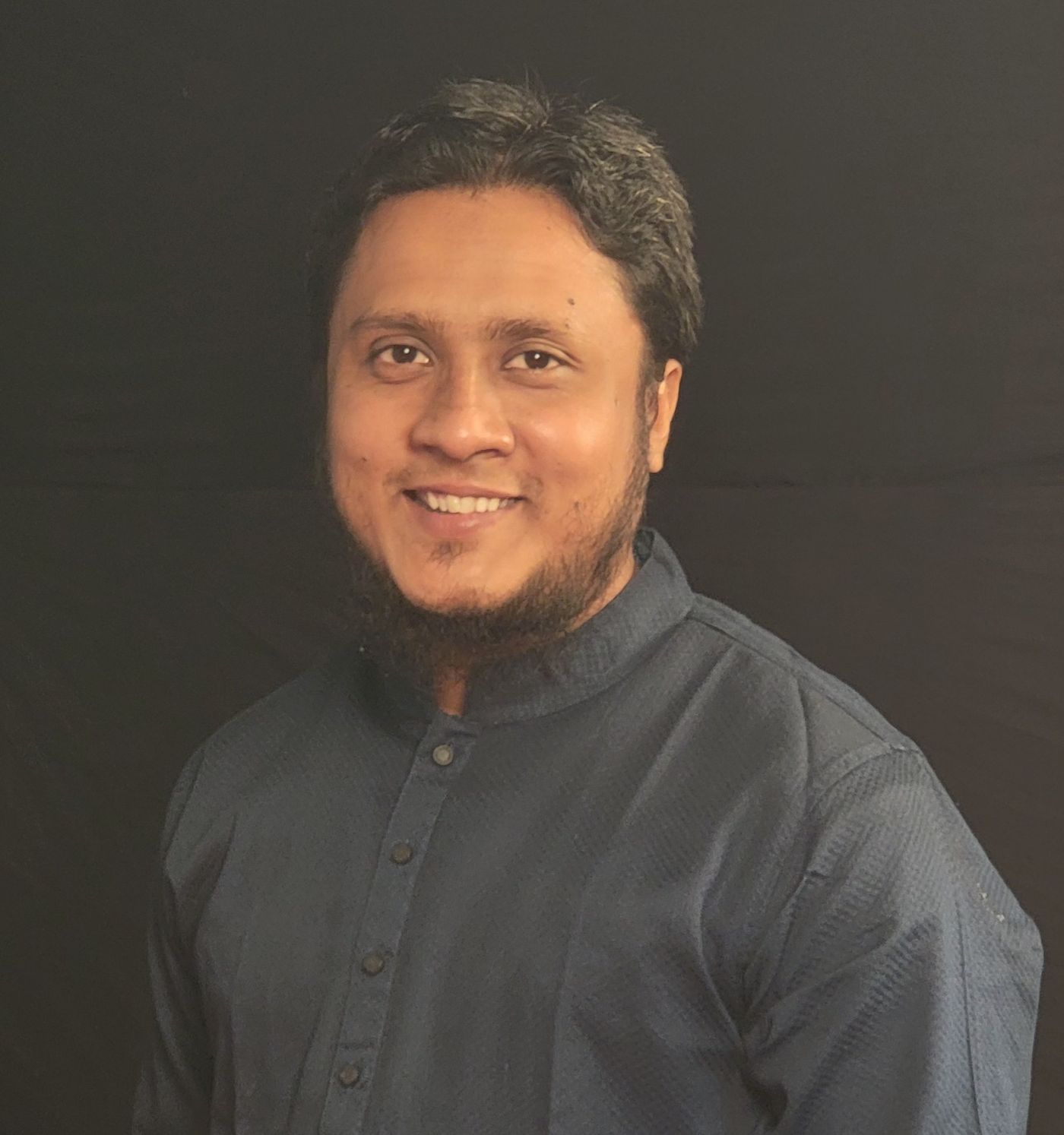
Portrait of Md Ibrahim Khalilullah
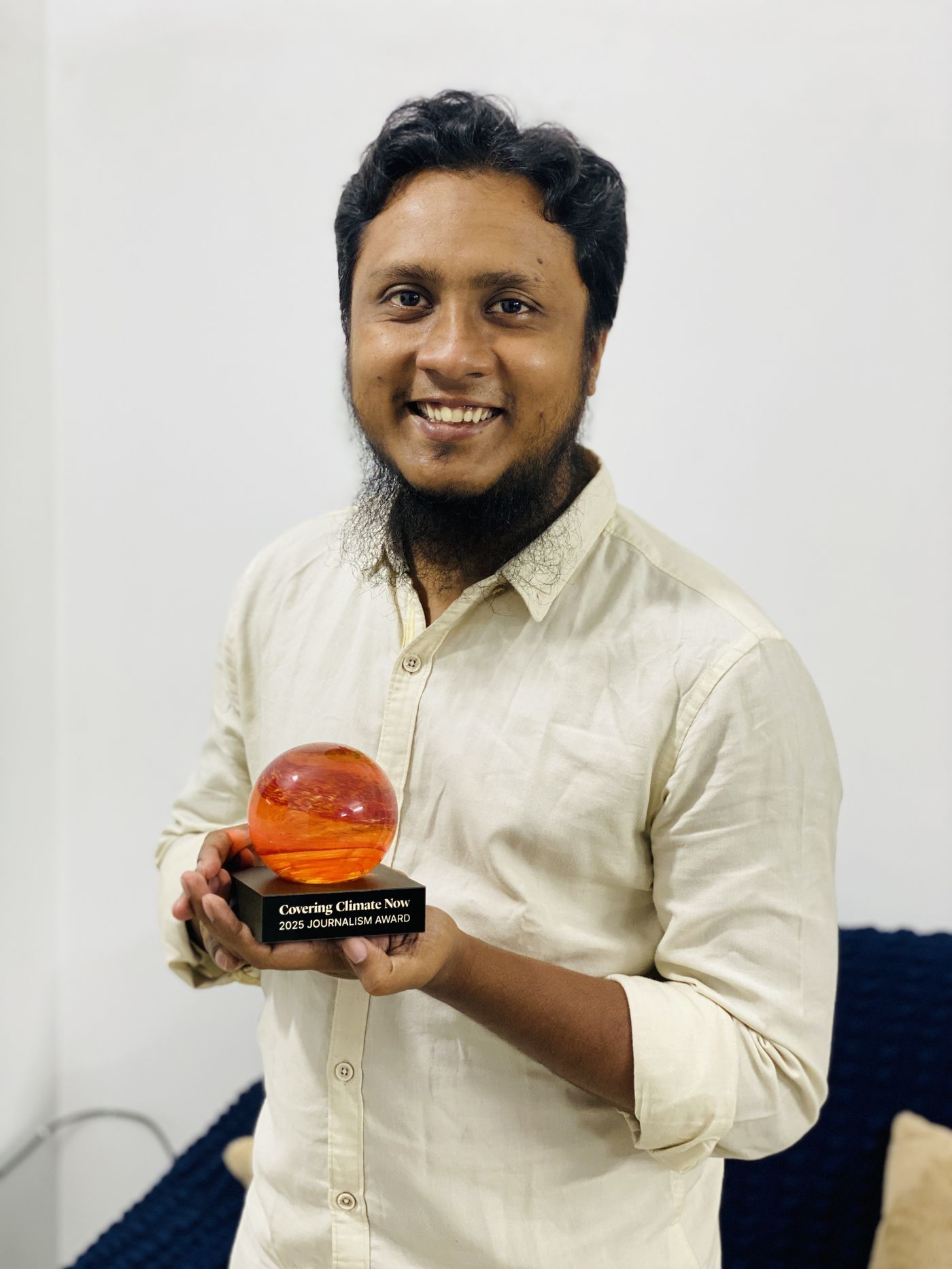
With the 2025 Covering Climate Now Journalism Award trophy
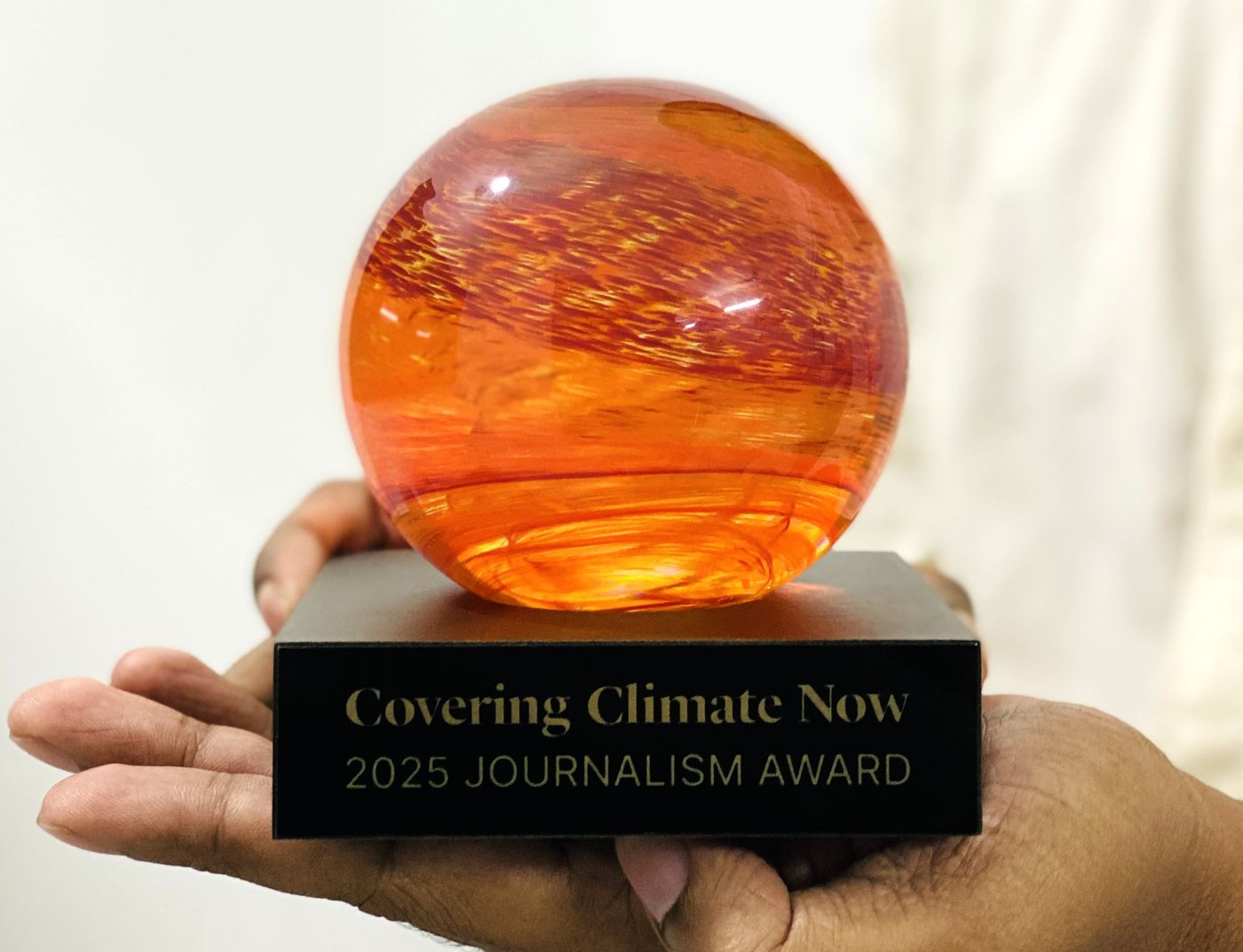
The 2025 Covering Climate Now Journalism Award trophy
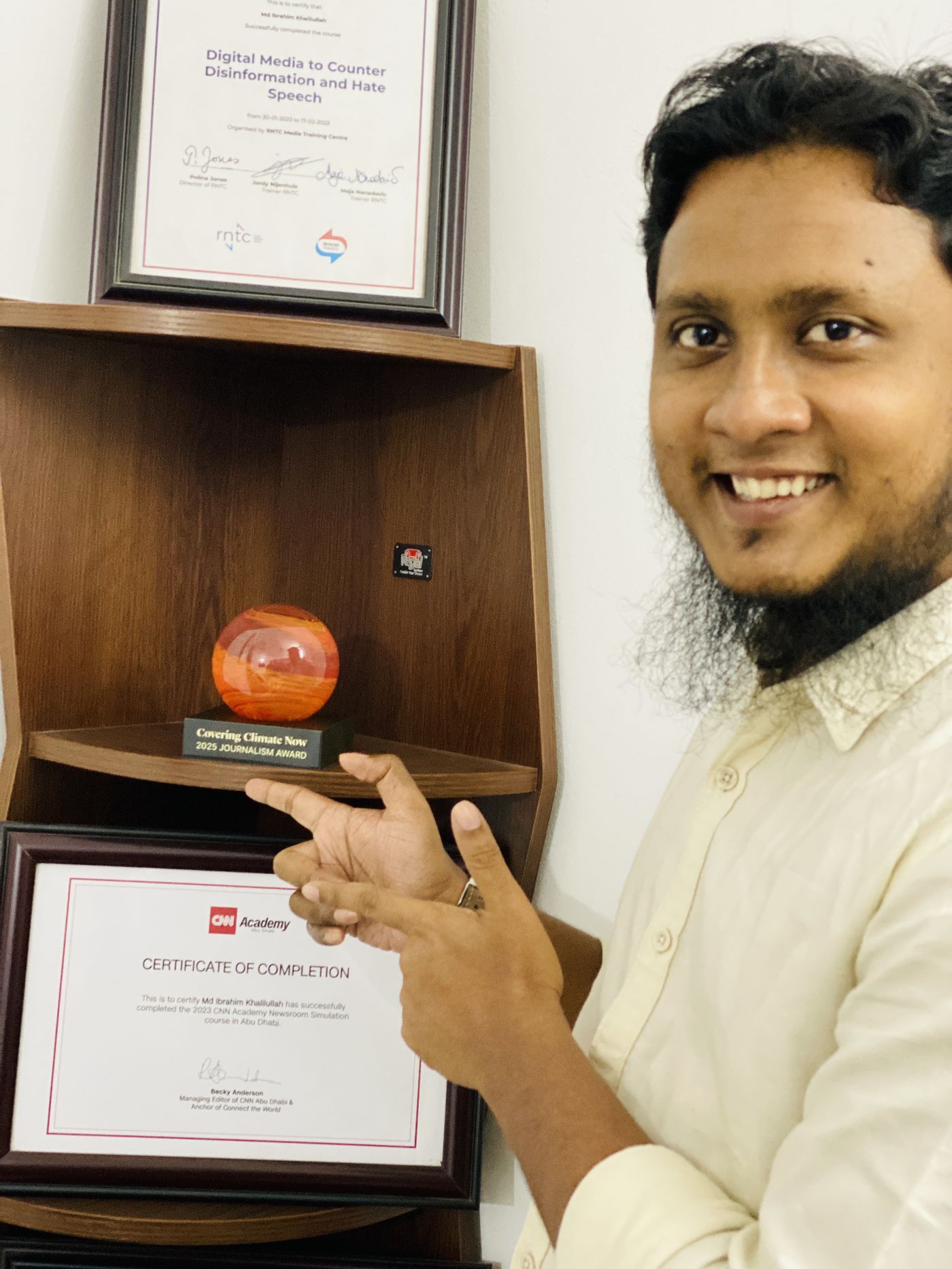
With the trophy and framed certificates
Photographer credits to be added.

Related

Photography, film, and words.

Documentary films and video reporting, including Taken by the River.
Published journalism on climate, migration, and accountability.
Recognition for his reporting and documentary work.

Next

Every story deserves to be understood.